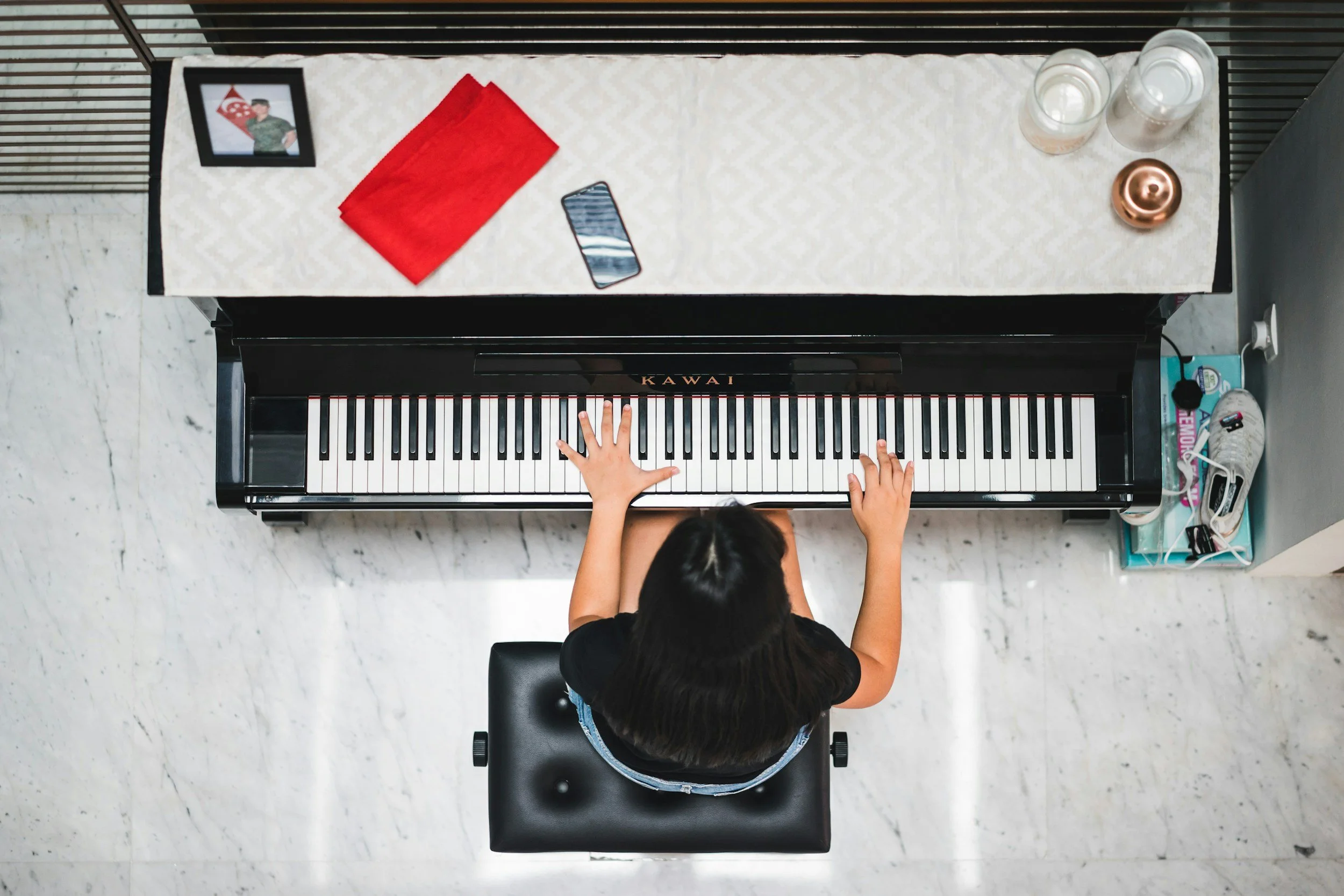
When Your Art Is Never Enough: The Past That Sits Behind Perfectionism
For some of us, achievement was never just achievement. It was safety.
Perhaps praise was conditional.
Perhaps love felt more available when you excelled.
Perhaps you learned early that being impressive, talented, useful, or exceptional kept you connected.
When that’s the emotional template, art becomes more than expression. It becomes a negotiation.
If it’s brilliant, maybe I’m secure.
If it moves them, maybe I matter.
If it’s flawless, maybe I won’t be criticised or left.
The problem is that art, like relationships, can’t reliably heal attachment wounds on its own.
No matter how much you pour in, it can’t finally resolve the original ache.

Don’t Ghost Yourself This Halloween
In a world that moves fast and rewards distraction, sitting with our feelings can feel like swimming against the tide. Many of us are taught, implicitly or otherwise, that emotions are things to fix, suppress, or rationalise away. Yet when we pause long enough to notice what’s happening within us, we open the door to something far more healing than avoidance could ever offer.

When the Applause Fades: How Self-Worth Becomes Performance-Based
For many musicians, creatives and performers, the stage feels like home. It’s a place of connection, catharsis, and recognition. But what happens when your sense of self-worth becomes fused with how well you perform, how loud the applause is, how many people show up, or how much praise you receive?
It’s not always obvious. It can feel like drive, ambition, a standard. But beneath that can live a more fragile truth: if you’re only as good as your last performance, your worth starts to feel conditional.