When Your Art Is Never Enough: The Past That Sits Behind Perfectionism
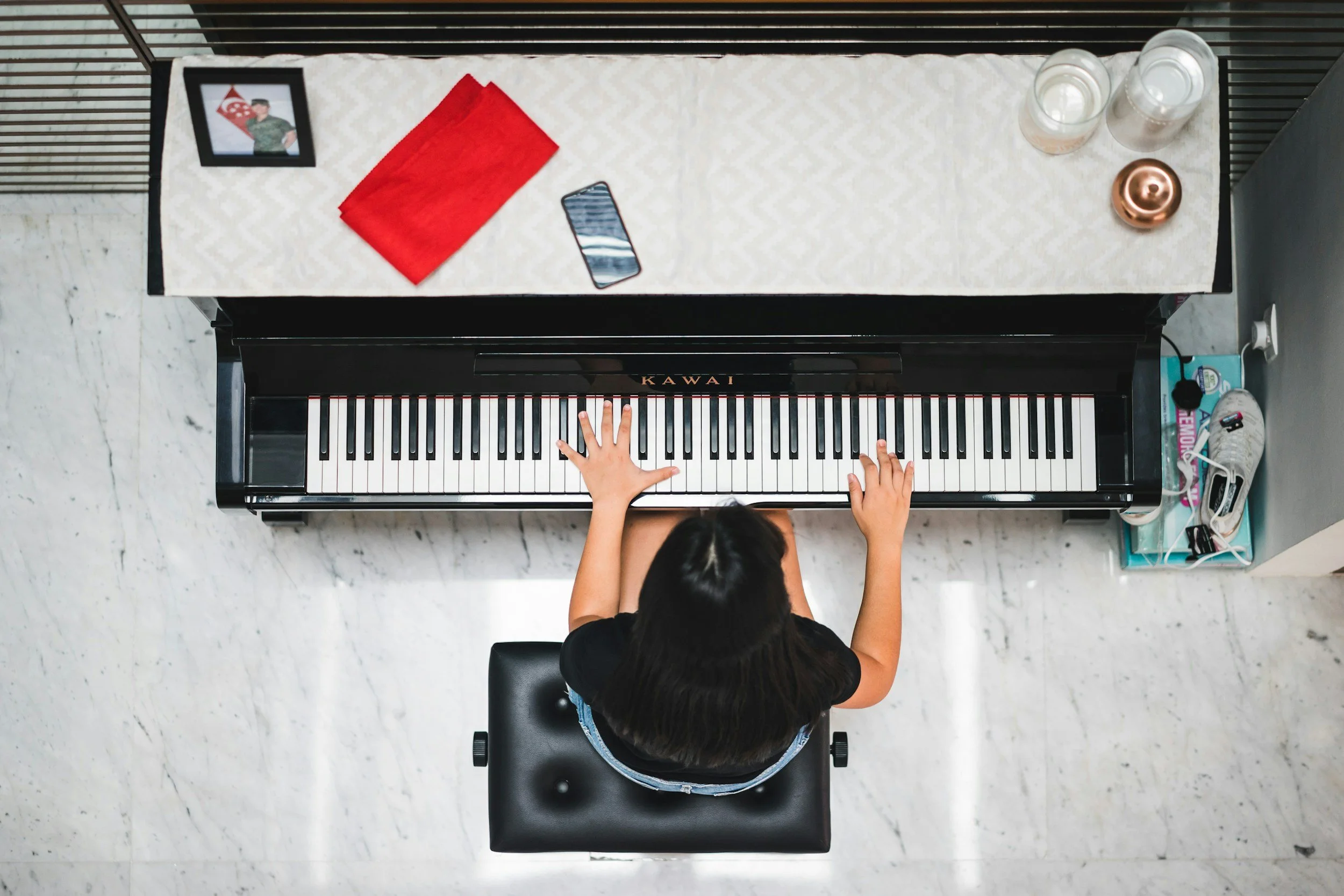
There’s a particular kind of exhaustion that comes from pouring everything into your art and still feeling like it’s not good enough.
You refine it, rewrite it, replay it, re-record it.
You push yourself harder than anyone else ever could.
And yet, when it’s finished, there’s often not relief, just a quiet, gnawing sense that you’ve fallen short.
For many artists, this isn’t about standards. It’s about our personal history.
Art as a Place to Earn Love
For some of us, achievement was never just achievement. It was safety.
Perhaps praise was conditional.
Perhaps love felt more available when you excelled.
Perhaps you learned early that being impressive, talented, useful, or exceptional kept you connected.
When that’s the emotional template, art becomes more than expression. It becomes a negotiation.
If it’s brilliant, maybe I’m secure.
If it moves them, maybe I matter.
If it’s flawless, maybe I won’t be criticised or left.
The problem is that art, like relationships, can’t reliably heal attachment wounds on its own.
No matter how much you pour in, it can’t finally resolve the original ache.
The Inner Critic Isn’t Random
The voice that says, “It’s not good enough” often sounds like an artistic judgement. But psychologically, it’s usually protective.
That critic may have developed to help you anticipate disapproval.
To stay ahead of shame and prevent rejection.
We internalise early relational experiences, so if you grew up around high expectations, unpredictability, emotional distance, or criticism, those dynamics can become internal voices.
The studio becomes the stage where those early dynamics replay:
You versus the withholding audience.
You versus the impossible parent.
You versus the part of yourself that believes you must earn your place.
The art isn’t the only thing being evaluated. You are.
Why “Success” Rarely Fixes It
Many artists secretly believe that the next milestone will quiet the feeling.
The better review, the bigger show, the record deal, the validation from someone who matters.
But when art is fused with attachment history, external success rarely soothes the core wound. It may bring a spike of relief, but the internal standard simply moves.
Because the original longing wasn’t for applause, tt was for attuned connection.
When Art Becomes Self-Worth
If your self-worth is intertwined with your creative output, every project carries enormous psychological weight.
A track isn’t just a track, it’s proof you’re viable, a painting isn’t just a painting, it’s proof you’re worthy.
And so the stakes become unbearable.
This can lead to:
Paralysis and procrastination
Endless refining and inability to finish
Burnout
Creative blocks
Deep shame after sharing work
Not because you lack talent, but because too much of you is at risk.
Reclaiming Art as Expression, Not Survival
The work in therapy often involves gently separating the present from the past.
Your art does not need to earn love, your imperfection does not threaten connection, your value is not contingent on output.
This doesn’t mean lowering standards or abandoning craft. It means loosening the emotional fusion between creativity and worth.
Some reflective questions that can help:
When did I first feel I had to be exceptional to be safe?
What happens internally when something I make isn’t praised?
Whose voice does my inner critic resemble?
What would it mean to create something “good enough”?
Art can still be intense. It can still matter deeply. But it no longer has to carry the burden of proving your right to exist.
The Paradox
Often, when artists begin to feel more secure relationally ( when they experience being valued for who they are rather than what they produce ) their work actually deepens.
Because it’s no longer driven by fear.
It’s driven by truth.
And truth rarely needs to be perfect to be powerful.
